Asian Grocery Mackay:
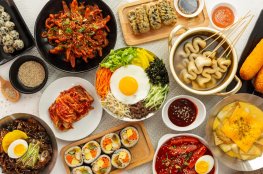
Asian cuisine is renowned for its diverse flavours, aromatic spices, and nutrient-rich ingredients. This article delves into the health benefits and nutritional value associated with traditional Asian foods, shedding light on their positive impact on overall well-being.
Abundance of Nutrient-Dense Ingredients
Rice:
Rice is a staple in many Asian diets. It is a rich source of complex carbohydrates, providing sustained energy. Additionally, rice is low in fat and sodium, making it a heart-healthy choice.
There are more varieties of rice than most people realize. Red and black rice contain much higher levels nutritional minerals than white rice.
Tofu and Tempeh:
These soy-based products are prominent sources of plant-based protein, offering essential amino acids. They are also low in saturated fat and cholesterol, contributing to heart health.
Fish and Seafood:
Asia boasts a strong tradition of consuming fish and seafood. They are high in omega-3 fatty acids, which promote heart health, reduce inflammation, and support cognitive function.
Vegetables:
Asian cuisines incorporate an array of colourful and nutrient-dense vegetables. These provide an abundance of vitamins, minerals, and antioxidants crucial for overall health and disease prevention.
Herbs and Spices:
Ginger, turmeric, garlic, and other spices commonly used in Asian cooking are celebrated for their medicinal properties. They possess anti-inflammatory, antioxidant, and antimicrobial effects.
Balanced and Varied Diet Patterns
Asian diets emphasize balance and variety. Meals often include a combination of rice or noodles, lean proteins, vegetables, and a modest amount of fats. This approach helps ensure a broad spectrum of nutrients in each meal.
Fermented Foods for Gut Health
Fermented foods like kimchi, miso, and kefir are prevalent in Asian cuisine. They are rich in probiotics, beneficial bacteria that support a healthy gut microbiome. This, in turn, aids in digestion, boosts immunity, and may improve influence mental health.
Low Saturated Fat and Sugar Content
Traditional Asian cooking methods often use minimal amounts of oil, and sugar is sparingly added to dishes. This approach aligns with heart-healthy dietary guidelines and reduces the risk of obesity and related conditions.
Anticancer Properties
Certain components of Asian foods, such as cruciferous vegetables (e.g., broccoli, cabbage), green tea, turmeric, red and black rice contain compounds that have been studied for their potential to prevent and combat cancer.
Mindful Eating Practices
Asian cultures often promote mindful eating, which encourages savouring each bite and being attuned to one’s body’s hunger and fullness cues. This approach can lead to healthier portion sizes and overall eating habits.
Healthful Cooking Techniques
Steaming, stir-frying, and boiling are prevalent cooking methods in Asian cuisine. These techniques preserve the nutritional integrity of ingredients, minimizing nutrient loss during preparation. This is far more nutritious and less fattening than deep frying or some other cooking methods.
Adaptable to Dietary Preferences and Restrictions
Asian cuisine offers a wide range of options for various dietary needs, including vegetarian, vegan, gluten-free, and low-carb diets. With its emphasis on plant-based ingredients and diverse cooking techniques, it accommodates a range of nutritional preferences.
Asian Grocery Mackay:
Traditional Asian foods offer a wealth of health benefits due to their nutrient-dense ingredients, balanced diet patterns, and mindful cooking techniques. Embracing elements of Asian cuisine in one’s diet can contribute to overall well-being, supporting heart health, digestive health, and even reducing the risk of chronic diseases. By incorporating a variety of these nutrient-rich foods, individuals can enjoy a flavourful and healthful approach to eating.
Information Disclaimer
The content of this article is meant for informational purposes only and should not be considered a source of professional advice, recommendations, or endorsements. It is not a substitute for seeking expert guidance or making well-informed decisions based on individual circumstances. Although we strive for accuracy and reliability, we cannot guarantee the information's completeness or suitability for all situations. Readers are urged to verify facts, consult experts, and consider their own context before taking actions or decisions based on this content. No warranties, explicit or implied, are provided regarding the accuracy, timeliness, or completeness of the presented information. Relying on this information is at the reader's own discretion and risk. We encourage readers to consult relevant professionals or experts for advice tailored to their specific needs. Neither the author, publisher, nor any affiliated parties will be held responsible for errors, omissions, or damages resulting from the use or reliance on the information in this article.